
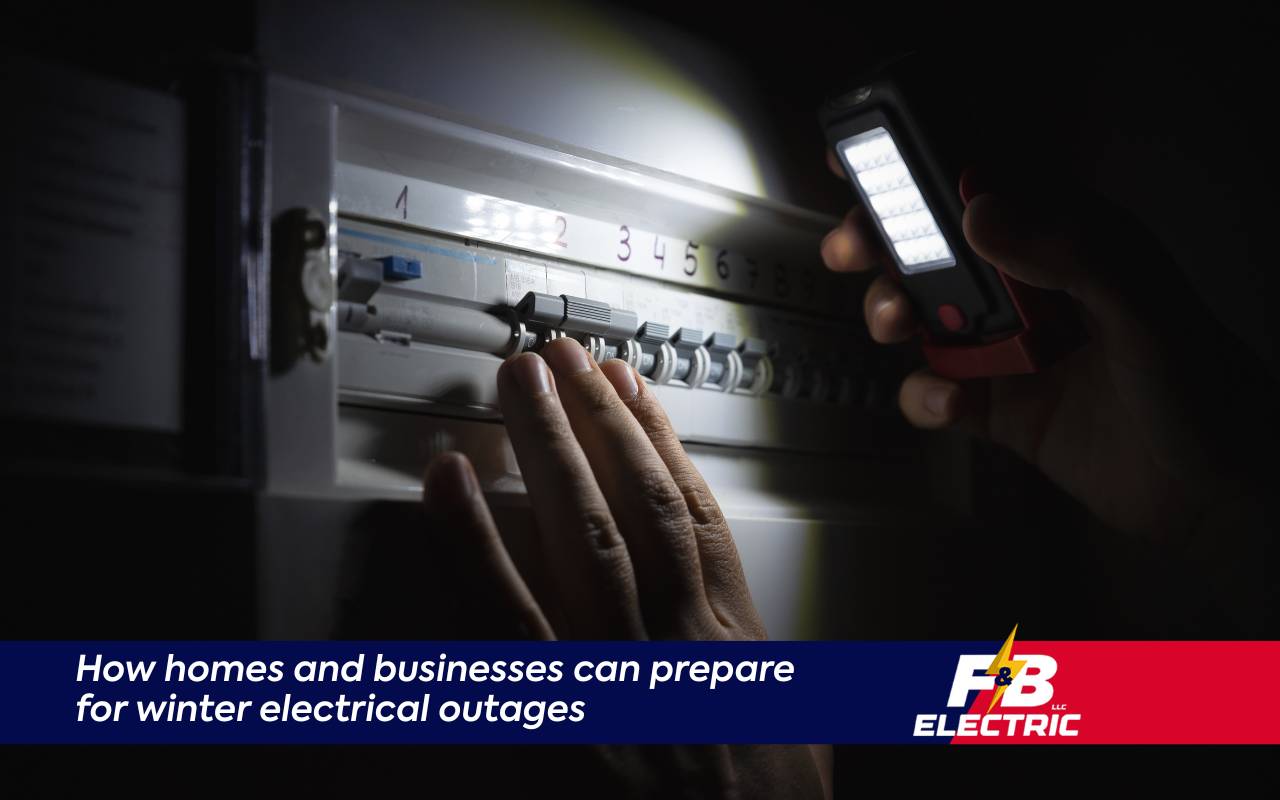
Winter Power Outage Prevention Tips in Maryland help homes and businesses stay safe when icy storms cut electricity. However, power failures can still surprise you if you are not ready. This guide simplifies expert advice so you can protect people, equipment and daily routines before the next cold front arrives.
Maryland’s winter storms bring snow, ice and high winds that quickly strain local power lines. Moreover, outages affect homes, offices and shops in different ways. These Winter Power Outage Prevention Tips in Maryland show how to lower electrical risk in cold weather with clear steps that are easy to follow.
Winter Power Outage Prevention Tips in Maryland: Understanding Local Risks
Ice, snow and strong gusts can damage power lines and knock out electricity for entire streets. In many cases, heavy ice builds on branches, which then fall and pull down cables or even poles. During nor’easters or sleet storms in Maryland, this electrical risk in cold weather grows quickly.
- Ice build-up on tree branches that brings down lines.
- Strong winds that weaken poles and hardware.
- Fallen trees that bury or snap overhead cables.
- Overloaded local infrastructure during severe storms.
Therefore, plan to track weather alerts and public service announcements so you know when conditions may threaten your power supply. Local utility providers often share maintenance schedules or expected outages and announce when crews are on standby.
Sign up for text or email notifications to stay ahead of planned or emergency shutdowns. Such foresight supports continuity whether you run a shop that needs refrigeration or care for family using medical devices during winter power failure tips in Maryland scenarios.
Even short outages can bring safety problems like frozen pipes, burst lines or spoiled food. Sensitive electronics may also suffer from sudden outages and power surges when service returns. Effective storm power protection in MD requires clear awareness of these threats and a solid plan to reduce downtime.
Securing Essential Supplies for Emergency Situations
Practical Winter Power Outage Prevention Tips in Maryland for supplies start with building a simple but complete emergency kit. Firstly, plan to keep water, nonperishable foods, flashlights and spare batteries in an easy-to-reach place. This way, you can act fast when lights suddenly go out.
- Store at least three days of drinking water per person and pet.
- Choose canned goods and dry snacks that do not need cooling.
- Label items with dates and rotate stock every few months.
- Keep a manual can opener and disposable plates and utensils.
Next, place warm blankets, extra clothing layers and waterproof boots in a central area, such as a mudroom or closet near an exit. Include hand warmers, gloves and hats so everyone can stay warm if the heat stops working. In addition, keep a first aid kit updated with bandages, antiseptic wipes and needed medications.
Staying powered and informed during storms
Maintain portable chargers and power banks so phones and tablets stay usable. Solar chargers or crank radios provide battery-free options to receive storm updates and emergency messages. By securing these supplies early, you will face winter power failure tips in Maryland with more confidence and calm.
Importance of Regular Maintenance for Electrical Systems
Regular maintenance is another core part of generator backup planning and outage prevention. Each year, ask a qualified electrician to check wiring, panels, outlets and grounding. Simple repairs now, like tightening loose connections or replacing damaged cables, can avoid larger issues when heavy snow loads lines.
For practical guidance, review this helpful resource on
home electrical safety tips for Maryland properties. It reinforces daily habits that reduce fire risks before a storm even starts.
Moreover, maintain your roof and clean gutters so melting snow drains away from the building. Ice dams and water leaks can reach wiring and cause shorts. Trimming branches near wires also lowers the chance of outages when storms hit. For deeper risk reduction ideas, explore their
electrical hazard prevention guide for homes and businesses.
Finally, review the service record of your generator or backup power unit. Change oil, air filters and spark plugs according to the manufacturer. Treating these tasks as high priority will make your generator backup planning more reliable when the main grid fails.
Creating an Emergency Communication Plan
A clear communication plan keeps everyone informed and reduces stress during an outage. Start by developing a contact list that includes family, neighbors, utility companies and local emergency services. Store both digital and printed copies in waterproof pouches so you can reach them even if devices shut down.
Assign one person to call the utility provider and check restoration updates. This role frees others to focus on safety and comfort. Additionally, agree on a neighborhood check-in system so each household can confirm everyone is safe and has basic supplies.
Planning for backup communication tools
Establish meeting spots in case phone and internet services fail. Consider battery-powered or hand-crank radios to stay updated on weather bulletins and road closures. Practicing drills helps family and staff know what to do when lights go out, which supports calm responses during a real winter power failure tips in Maryland event.
Implementing Effective Heating Strategies During Outages
Safe heating is essential when central systems stop. Use wood stoves or fireplaces carefully by keeping flammable items far from open flames. Always stack dry firewood in a covered area within easy reach and install carbon monoxide detectors in nearby rooms.
- Keep a fire extinguisher near wood stoves and fireplaces.
- Schedule annual chimney inspections to prevent blockages.
- Teach everyone how to open dampers and vents correctly.
- Never use outdoor grills or ovens to heat indoor spaces.
In some cases, propane or kerosene heaters may be needed. Always use them in well-ventilated spaces and follow manufacturer instructions for placement and refilling. Never leave portable heaters unattended. These careful steps support generator backup planning that includes safe heating for homes and businesses.
Moreover, layer clothing and use thermal blankets to hold body heat. Close unused rooms to focus warmth in smaller areas. These simple actions extend comfort and save fuel during long outages.
Ensuring Proper Insulation to Retain Heat
Good insulation keeps indoor spaces warmer for longer, even when the power is off. Seal gaps around doors and windows with weatherstripping and caulk. Small cracks let cold air in and warm air out, forcing heaters and generators to work much harder.
Inspect insulation in attics, walls and crawl spaces each year to confirm it meets current recommendations. This work directly supports storm power protection in MD by cutting heat loss. Cover drafty windows with plastic film kits and close heavy curtains at night for an extra barrier against wind chill.
Protecting pipes and hard-to-heat areas
Insulate inlet pipes and hose bibs to prevent freezing when the thermostat dips below freezing. Install door sweeps on exterior doors and replace old insulation in basements and garages. By boosting the building’s thermal envelope, you use less energy and make backup heating sources last longer.
Utilizing Alternative Lighting Sources Safely
Lighting is easy to overlook until the room turns dark. Therefore, choose LED flashlights and battery-powered lanterns that give bright, cool light. Keep spare batteries sorted by device type and store lights in key rooms like kitchens, bathrooms and workspaces.
- Place flashlights on every floor in visible spots.
- Use labeled bins for different battery sizes.
- Assign each family member or staff area a dedicated light.
- Test all devices at the start of winter.
Use candles only in sturdy holders on flat, non-flammable surfaces, and never leave them burning unattended. Glow sticks or solar garden lights brought indoors work as safe options for short tasks. Invest in headlamps for hands-free work while repairing equipment or checking supplies.
Investing in a Reliable Backup Power Generator
A reliable generator is often central to storm power protection in MD. Research models that fit your needs, from portable units that power a few circuits to standby systems that support the whole property. Ensure any generator you pick is UL listed and rated for home or commercial use.
Whenever possible, hire professionals for standby generator installation so it connects safely to your electrical panel. Then, practice generator backup planning by running the unit under load a few times each year. Confirm it starts easily, runs smoothly and supplies stable voltage during these tests.
Store fuel in approved containers away from living areas and always follow local safety rules. Keep a simple log where you record oil changes, filter swaps and spark plug replacements. A well-maintained generator lowers downtime during sudden outages and increases overall winter readiness.
Safeguarding Electronics and Appliances
Protecting electronics and appliances saves money and reduces frustration after a storm. Use surge protectors or uninterruptible power supplies for computers, routers and medical devices. These tools help prevent damage when electricity suddenly returns and voltage spikes.
- Unplug non-essential devices before a major storm.
- Group cords and label them for easier restarts.
- Connect only critical circuits to generator power.
- Avoid overloading outlets and extension cords.
Back up important data to cloud storage or external drives on a regular schedule. Keep critical business documents in waterproof folders. Implementing these steps matches strong storm power protection in MD strategies and lets you recover faster after winter events.
Furthermore, store extra extension cords rated for outdoor use and heavy loads. Label outlets that receive generator power so you do not overload circuits. Clear instructions near the service panel guide family or staff in reconnecting essential systems safely.
Frequently Asked Questions
What are the most important Winter Power Outage Prevention Tips in Maryland for small businesses?
Small businesses should protect refrigeration, payment systems and security devices first. Use surge protection, plan generator backup planning for key circuits and keep clear procedures for staff. Additionally, store emergency lighting and create a simple communication tree for checking on employees and customers after storms.
How can I reduce electrical risk in cold weather at home?
Start by scheduling regular electrical inspections and fixing damaged wiring early. Then, keep space heaters away from fabrics, avoid overloaded power strips and follow safe fireplace rules. Also, install carbon monoxide detectors near sleeping areas and test smoke alarms monthly, especially during winter months.
What supplies should every Maryland homeowner keep for winter outages?
Every homeowner should keep water, shelf-stable food, a first aid kit, flashlights, spare batteries and warm blankets. Moreover, add phone chargers, a battery radio, basic tools and copies of important documents. These simple items make it easier to stay comfortable and informed until power returns.
Do I really need a generator, or are other options enough?
A generator is very helpful if you rely on medical devices, well water, sump pumps or refrigerated goods. However, some households manage with power banks, alternative heating, strong insulation and smart planning. Think about your health needs, work duties and budget before choosing a system.
When should I contact a licensed electrician about winter power concerns?
You should contact a licensed electrician if you notice flickering lights, tripped breakers, burning smells or outdated panels. Additionally, reach out before installing generators or major heaters. For professional help and tailored advice, you can
contact F&B Electric LLC for winter outage preparation help.
Being winter-ready for electrical outages
Being proactive about Winter Power Outage Prevention Tips in Maryland and winter power failure tips in Maryland keeps you safer, warmer and more connected when storms strike. By securing supplies, maintaining systems and planning backup power, homes and businesses can face freezing weather with far greater confidence.
In the end, insulation upgrades, alternative lighting, careful generator backup planning and clear communication plans all work together. They help protect loved ones, employees and property through the harshest conditions. By following these Winter Power Outage Prevention Tips in Maryland, you can approach each winter season with peace of mind.