
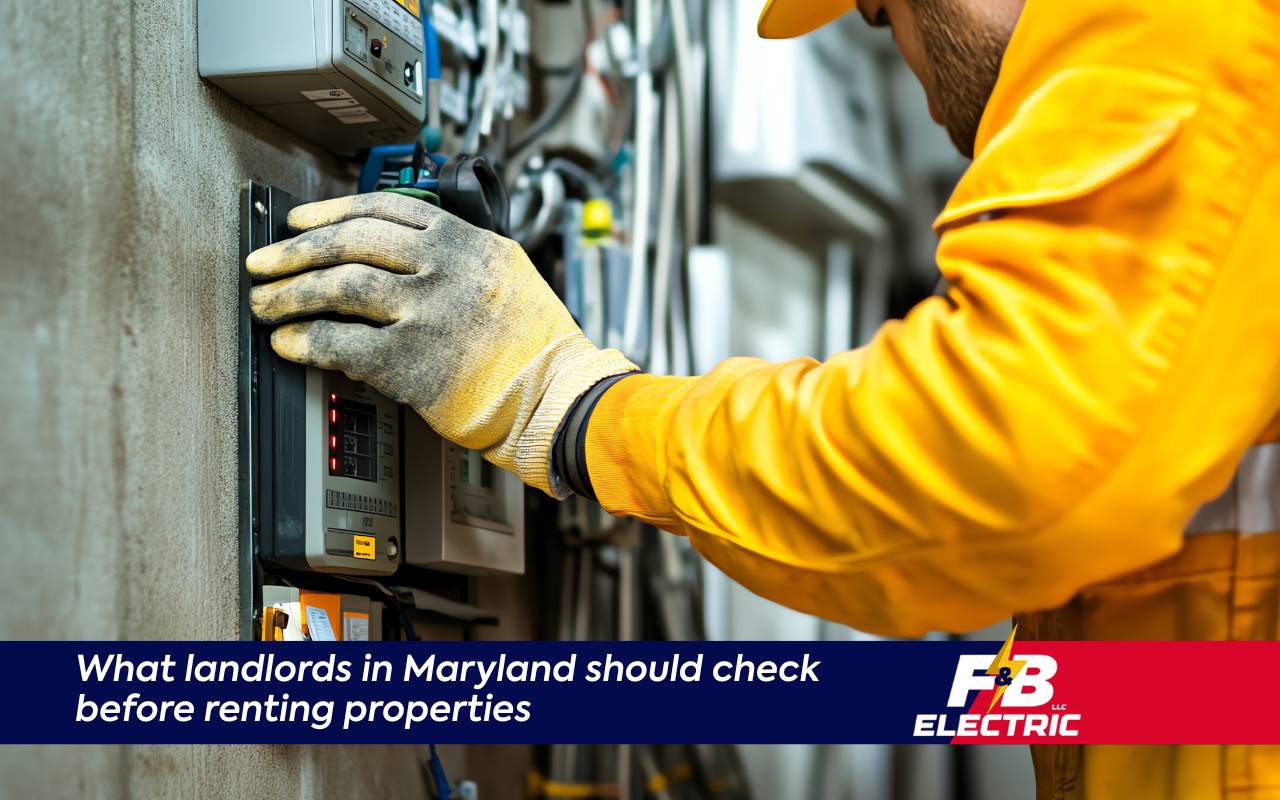
Electrical Inspection Tips for Landlords in MD start long before you hand over the keys to new tenants. In Maryland, the rental landscape is competitive and highly regulated. Therefore, every landlord needs safe wiring, working protection devices, and clear records before signing a lease.
However, many owners still overlook the value of a pre-rental electrical inspection in MD. Ignoring this step can lead to expensive repairs, angry tenants, and even legal trouble. Consequently, understanding what to verify before move-in protects your investment and everyone living in the home.
Key Electrical Inspection Tips for Landlords in MD
These Electrical Inspection Tips for Landlords in MD help you protect both your property and your tenants. Start by looking at the big picture. You want a safe, convenient, and code-compliant home that feels reliable from day one.
- Check that main service panels are clearly labeled and accessible.
- Confirm that circuits are not overloaded with too many appliances.
- Verify that outlets, switches, and light fixtures work properly in every room.
- Look for visible damage, such as scorch marks or loose cover plates.
Moreover, use a written checklist during every walk-through. This habit keeps your process consistent and reduces missed details. It also makes later conversations with electricians and tenants easier.
Importance of Pre-Rental Electrical Inspection in Maryland
Maintaining a strong safety plan begins before tenants move in. By scheduling a pre-rental electrical inspection in MD, landlords uncover hidden wiring issues, outdated panels, or overloaded circuits. These problems can cause shocks, fires, or frequent breaker trips if ignored.
In addition, a thorough inspection supports modern best practices and helps you maintain code-compliant rental units. It also builds tenant confidence. Prospective renters often ask about recent inspections, and sharing proof of a
residential inspection in MD can set your property apart.
Furthermore, well-maintained units usually bring fewer emergency calls, lower insurance risks, and a stronger reputation. Offering a safe electrical setup shows that you care about long-term tenant comfort. This approach reduces liability concerns and supports steady occupancy.
Understanding Maryland Electrical Codes and Regulations
Following state and local codes is vital for every rental property. Maryland rules cover circuit capacity, outlet spacing, grounding methods, and panel standards. Staying familiar with these essentials keeps your buildings safe and legally compliant.
Maryland often follows the National Electrical Code while adding state-specific changes. Therefore, landlords should watch for updates. You can review official guidance on state websites, attend local training, or talk with licensed electricians. When unsure, always verify requirements before starting work.
Complying with current regulations helps you avoid fines, disputes, and insurance problems. In contrast, ignoring the rules can lead to penalties and unsafe homes. A tenant who feels safe is more likely to renew and recommend your property to others.
Hiring Qualified Professionals for Electrical Inspections
Selecting the right professional is crucial. Licensed electricians use specialized tools and understand both basic wiring and complex panel issues. They can spot hazards that untrained eyes miss, ensuring your property reaches full compliance.
When searching for help, choose licensed and insured contractors. Request references, review online feedback, and confirm licenses through Maryland’s boards. Working with trusted experts also makes any required paperwork for a
residential inspection in MD easier to manage.
Clearly explain your expectations and ask for a written scope of work. A good electrician will describe findings in simple language, outline repairs, and suggest a reasonable schedule. This clarity helps you budget upgrades and keep tenants safe.
Components of a Comprehensive Electrical Inspection Checklist
Putting together a clear landlord wiring checklist keeps your inspection organized. It also reduces the chance of missing critical items. With a consistent list, each visit becomes faster and more reliable.
- Main service panel condition and labeling.
- Wiring type, age, and visible damage.
- Grounding and bonding of the system.
- Outlet and switch function in all rooms.
- GFCI and AFCI protection where required.
- Lighting in stairways, hallways, and outdoors.
For extra support, use a detailed
landlord wiring checklist during each visit. Each detail matters when you want safe homes and fully code-compliant rental units.
Addressing Common Electrical Issues in Rental Properties
Older Maryland rentals often hide serious problems. Aluminum wiring, brittle insulation, and loose connections can all cause overheating. These issues may lead to flickering lights, warm outlets, or frequent breaker trips.
- Replace damaged or outdated wiring with modern copper conductors.
- Fix loose terminations inside panels and junction boxes.
- Balance loads to reduce stress on busy circuits.
Another frequent concern is the presence of old fuse boxes. Modern circuit breakers reset quickly after overloads and provide better protection. Additionally, smoke and carbon monoxide alarms must be tested often and replaced when needed. Quick action lowers emergency risks and future repair costs.
These electrical inspection tips for landlords in MD also include watching for repeated nuisance trips. Recurring issues often signal hidden faults that require professional attention.
Ensuring Safety Measures for Tenants
Basic safety features make a major difference. All outlets should be grounded and covered. Near water, properly installed Ground Fault Circuit Interrupters help prevent shock. Regular testing using the “test” and “reset” buttons verifies that these devices work correctly.
- Install smoke alarms in hallways and every bedroom.
- Place carbon monoxide detectors on each level, where required.
- Check stairway and hallway lighting for brightness and reliability.
- Maintain clear paths to exits, with visible signage.
Moreover, share a simple emergency plan with each household. Include key phone numbers and basic steps for electrical incidents. This preparation helps tenants respond calmly if something goes wrong.
Updating Electrical Systems for Compliance
Many older rentals need significant upgrades to meet current codes. Replacing outdated panels with modern circuit breakers is an important step. New panels improve overload protection and are easier for tenants to reset safely.
- Install dedicated circuits for large appliances, such as dryers and air conditioners.
- Label each breaker clearly to speed up troubleshooting.
- Upgrade cloth or brittle insulation to modern PVC-coated copper wiring.
Always secure permits before major electrical work begins. A final inspection confirms that changes meet local regulations for truly code-compliant rental units. When needed, you can also
contact F&B Electric LLC to discuss complex upgrade plans.
Documenting and Maintaining Inspection Records
Good records support safer properties and easier management. Keep digital files for each building, including inspection dates, inspector names, and completed repairs. Organized logs help you track patterns and plan future maintenance.
Providing tenants with a summary of the latest inspection builds trust. Encourage them to report concerns quickly so you can act before problems grow. Their feedback can guide your next scheduled review or
residential inspection in MD.
Review records at least once a year. Look for recurring problems, aging equipment, or units needing upgrades. These notes can also simplify insurance conversations after any incident.
Handling Tenant Concerns and Feedback
Prompt responses to tenant reports are essential. When someone mentions flickering lights or warm outlets, investigate soon. A quick visit shows that you value their safety and comfort.
After repairs, follow up to confirm that everything works correctly. This simple step builds strong relationships and helps catch minor issues early. Clear communication channels, such as email or maintenance portals, keep everyone informed.
Collect feedback after service visits and move-ins. Over time, this information improves your rental process. Satisfied tenants usually stay longer, recommend your units, and handle the space with greater care.
Frequently Asked Questions
How often should I schedule electrical inspections for my rentals?
One of the most important Electrical Inspection Tips for Landlords in MD is scheduling regular professional inspections every few years. However, older homes or heavily used rentals may need more frequent checks, especially after major renovations or tenant turnover.
What signs suggest I need an immediate electrical inspection?
Warning signs include frequent breaker trips, burning smells, buzzing panels, and warm outlets or switches. Additionally, visible damage such as scorch marks or frayed wires requires quick action. In these cases, contact a licensed electrician promptly.
Can I handle basic electrical checks myself as a landlord?
You can perform simple visual checks, test GFCIs, and confirm working lights. Nevertheless, detailed inspections, panel work, and wiring repairs should always be handled by licensed professionals who understand Maryland’s codes and safety standards.
Why is a landlord wiring checklist so helpful?
A clear landlord wiring checklist keeps each walk-through consistent and thorough. It reduces missed items, supports code-compliant rental units, and provides written proof of your efforts. This documentation can help during disputes or insurance reviews.
Who should I contact if I have questions about electrical upgrades?
If you are planning major changes or need tailored advice, you can
contact F&B Electric LLC. They can explain upgrade options, timelines, and permit needs for your Maryland rental properties.
Ensuring Property Compliance and Tenant Safety
Conducting a careful pre-rental electrical inspection in MD protects both your investment and your residents. From understanding local rules to hiring qualified professionals, each step supports safer homes and smoother tenancies.
By following practical Electrical Inspection Tips for Landlords in MD, you reduce risks, strengthen tenant trust, and protect your reputation. Consistent inspections, clear records, and timely upgrades all contribute to safer, more reliable rental homes across Maryland.