
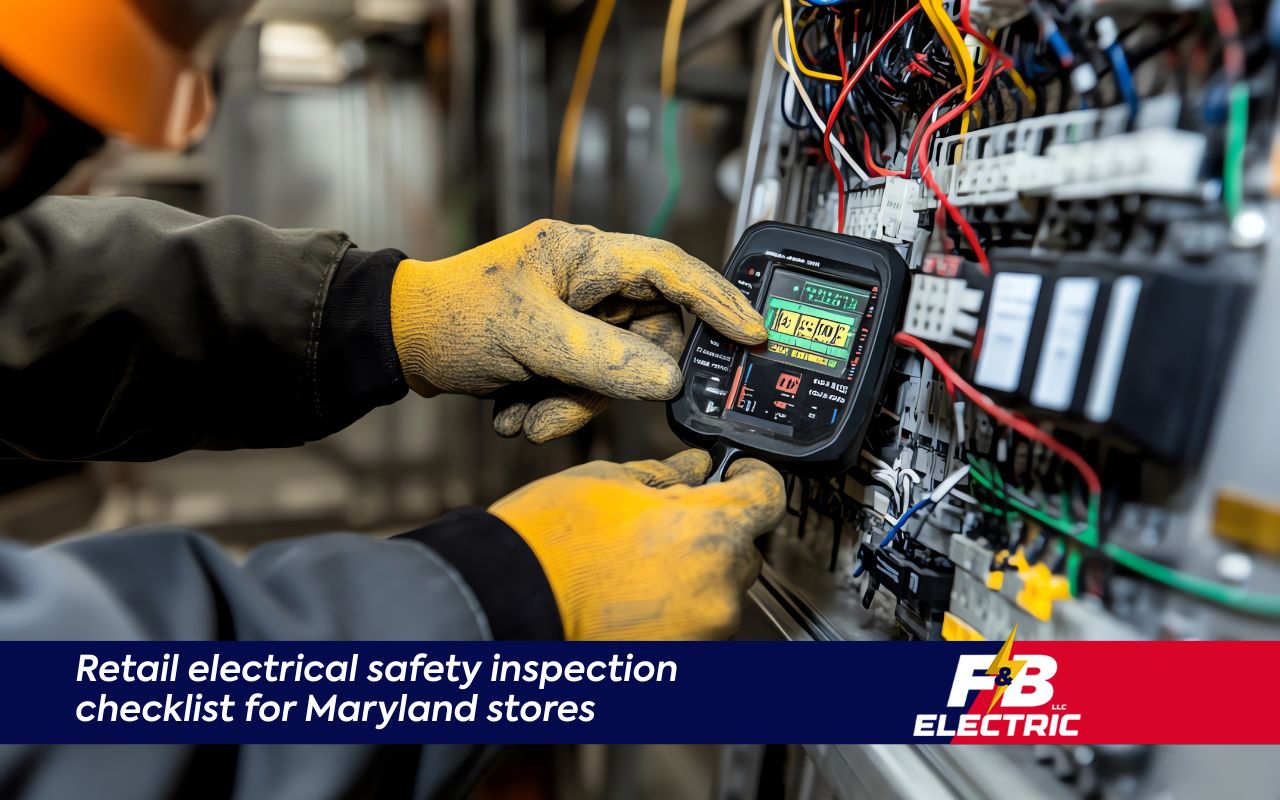
Electrical safety inspection for retail in MD helps Maryland store owners keep customers, staff, and property safe every day. Because retail spaces stay busy, small electrical issues can grow into serious risks if no one checks them. With a clear inspection checklist, you reduce surprises, protect your reputation, and avoid stressful shutdowns or repairs.
Moreover, regular inspections prevent electrical fires, shocks, and equipment failures that could stop sales and damage stock. A professional electrical safety inspection also supports smooth daily operations for your Maryland shop. When you deal with problems early, you show customers and employees that safety always comes first.
Importance of Electrical Safety Inspections for Retail Businesses
Retail stores rely on lights, point-of-sale systems, security cameras, and display features that run all day. When one piece fails, it can disturb the entire store. A dependable electrical safety inspection for retail in MD also keeps your lighting, registers, and security systems working without interruption.
During a scheduled business electrical hazard check, a licensed electrician looks for hidden risks like worn cables, overloaded outlets, or outdated panels. These problems can start fires or cause shocks. Additionally, inspections help reduce liability and insurance issues, since a documented safety record shows you take risk management seriously.
Insurers often view well-maintained stores as lower risk, which may simplify policy renewals and claims. Furthermore, employees feel more comfortable when they know the building is safe. In the long term, regular inspections support growth, customer trust, and reliable daily operations.
Understanding Maryland Regulations for Electrical Safety
Maryland follows the National Electrical Code and local rules to keep retail spaces safe. Store owners should understand how state and county regulations apply to their buildings, especially after remodels or equipment changes. You can follow local electrical safety guidelines to understand basic expectations before your electrician visits.
Because requirements can vary by county, some stores may need yearly inspections, while others are checked less often. Staying on top of code compliance for retailers in Maryland prevents fines and forced closures. Therefore, working with licensed professionals makes it easier to plan inspections and keep your store safe and legal.
Components of an Effective Electrical Safety Inspection Checklist
A good checklist keeps your inspections organized and repeatable. Your electrical safety inspection for retail in MD should follow a simple structure so nothing important is missed. This approach is very useful when you manage more than one location and want consistent standards in every store.
During planning, note the age of the building, recent renovations, and any past electrical issues. These details guide your electrician and help identify areas that need extra attention. Then, use a written checklist during every visit so results are clear and easy to compare over time.
- Main service and panel condition
- Circuit labeling and load balance
- Wiring type, age, and visible damage
- Outlet placement and grounding
- Lighting, emergency lighting, and exit signs
- Appliances, extension cords, and power strips
- Storage and clearance around electrical equipment
Checking Electrical Wiring and Connections
Proper wiring forms the backbone of every retail electrical system. First, the electrician visually checks cables for cracks, exposed conductors, or discoloration that suggests overheating. Cables should be neatly routed, firmly supported, and kept away from sharp edges, moving parts, or damp areas.
Next, the electrician tests outlets and connections under load to confirm stable voltage. During a wiring inspection for shops, extension cords should never replace permanent wiring, and plug-in testers can quickly reveal reversed polarity or open grounds. As a result, you reduce fire risks and avoid sudden power loss at cash registers or displays.
- Look for damaged or crushed cords behind fixtures
- Remove homemade extension solutions and daisy chains
- Replace loose outlets that do not hold plugs firmly
- Check that back rooms and stock areas have safe wiring
Evaluating Electrical Panel Safety
An electrical panel distributes power and protects circuits from overload. Therefore, it deserves careful inspection during every visit. The electrician checks for darkened areas, a burning smell, or buzzing sounds that may signal overheating or loose parts.
Labels on each breaker should be clear so staff can quickly find the right circuit in an emergency. Additionally, the breaker size should match the wire size it protects. Incorrect sizing can stop a breaker from tripping when it should, which may damage wires or start a fire.
Furthermore, the panel area must stay accessible, with enough space around it for safe service. A tidy, well-labeled panel also makes future safety upgrades for retail MD easier to plan and complete without confusion.
Ensuring Proper Grounding and Bonding
Grounding and bonding help move stray electricity safely into the earth. First, the inspector locates the main grounding system, usually a rod or plate outside the building. Then, they confirm the wire runs unbroken from the panel to the grounding point.
Corroded clamps or loose connections can place unsafe voltage on metal parts. Bonding connects metal fixtures, conduits, and equipment to the grounding system so metal surfaces stay at a safe voltage. This step is especially important for display shelving, coolers, and metal checkout counters that customers touch often.
Testing and Maintaining Emergency Lighting Systems
Emergency and exit lights guide people out of the building when the main power fails. As part of an electrical safety inspection for retail in MD, emergency lights deserve special attention. The inspector checks that each unit switches to battery power during a test and stays bright for the required time.
Monthly push-to-test checks help confirm batteries still hold enough charge. In addition, lenses and covers should be clean, and paths must remain free of boxes or decorations that block light. When emergency lighting works correctly, it supports safe evacuations and protects both shoppers and staff.
Inspecting Electrical Appliances and Equipment
Retail stores depend on many appliances, from point-of-sale terminals to coolers and display cases. Because these devices run for long hours, their electrical parts need regular attention. The inspector checks power cords for cuts, kinks, and crushed areas that might overheat.
Appliances should plug directly into suitable outlets instead of multiple adapters or long extension cords. Under normal operating conditions, the electrician listens for unusual noise, vibration, or smells that could suggest a hidden problem. Clear labeling on cords also helps prevent trip hazards and confusion in busy areas.
Addressing Common Electrical Safety Hazards in Retail Environments
Retail spaces often change for sales, holidays, and special events. However, frequent changes can introduce new electrical hazards. Overloaded power strips, tangled cords, and temporary lighting are common issues that appear during busy seasons.
Because spills and moisture also raise risk, equipment near beverage stations, refrigerated units, or restrooms needs special care. Keeping walkways open around panels and outlet banks ensures fast access during an emergency and supports safe daily work for your team.
- Replace daisy-chained power strips with properly installed outlets
- Keep cords away from walkways and wet areas
- Move cardboard and stock away from panels and heaters
- Check seasonal displays for safe wiring and stable power use
Frequently Asked Questions
What is an electrical safety inspection for retail in MD?
This inspection is a detailed review of your store’s electrical system by a licensed professional. It covers panels, wiring, outlets, lighting, emergency systems, and major appliances. The goal is to find and fix hazards before they cause shocks, fires, or shutdowns that could harm people or interrupt business.
How often should Maryland retail stores schedule inspections?
Timing depends on local rules, store age, and equipment load. Many retailers schedule annual inspections, while busy or older buildings may benefit from more frequent visits. After major renovations or new equipment installs, another inspection is wise to confirm everything still operates safely and meets current code.
Who is qualified to perform these electrical inspections?
Inspections should be completed by licensed electricians who understand Maryland codes and local amendments. They know how to evaluate panels, circuits, and emergency systems safely. Before hiring anyone, you can ask for proof of licensing, insurance, and experience with retail properties so you feel confident in their work.
What signs indicate that my store needs an immediate inspection?
Flickering lights, frequently tripping breakers, burning smells, or warm outlets all require fast attention. You may also notice outlets that no longer hold plugs tightly, or equipment that shuts off without warning. When these warning signs appear, schedule an inspection promptly to prevent a more serious incident.
How can I prepare my store for an electrical inspection?
Before the visit, clear access to panels, outlets, and major equipment. Additionally, gather notes about past issues, recent renovations, and any hot spots your staff has reported. This information helps the electrician work efficiently, focus on problem areas, and provide clear recommendations for improving safety across the store.
Implementing a Proactive Approach to Electrical Safety in Your Maryland Store
Prioritizing inspections keeps your store compliant, protects your investment, and supports a comfortable shopping experience. By planning your next electrical safety inspection for retail in MD now, you protect people and avoid costly downtime. Consistent checks, prompt repairs, and written records all build a strong safety culture for your business.
In addition, partnering with a trusted electrician makes it easier to schedule follow-up visits and plan future improvements. When you are ready to move forward, you can contact us to discuss your store’s needs. This proactive approach lets you focus on serving customers while experts handle electrical safety.