
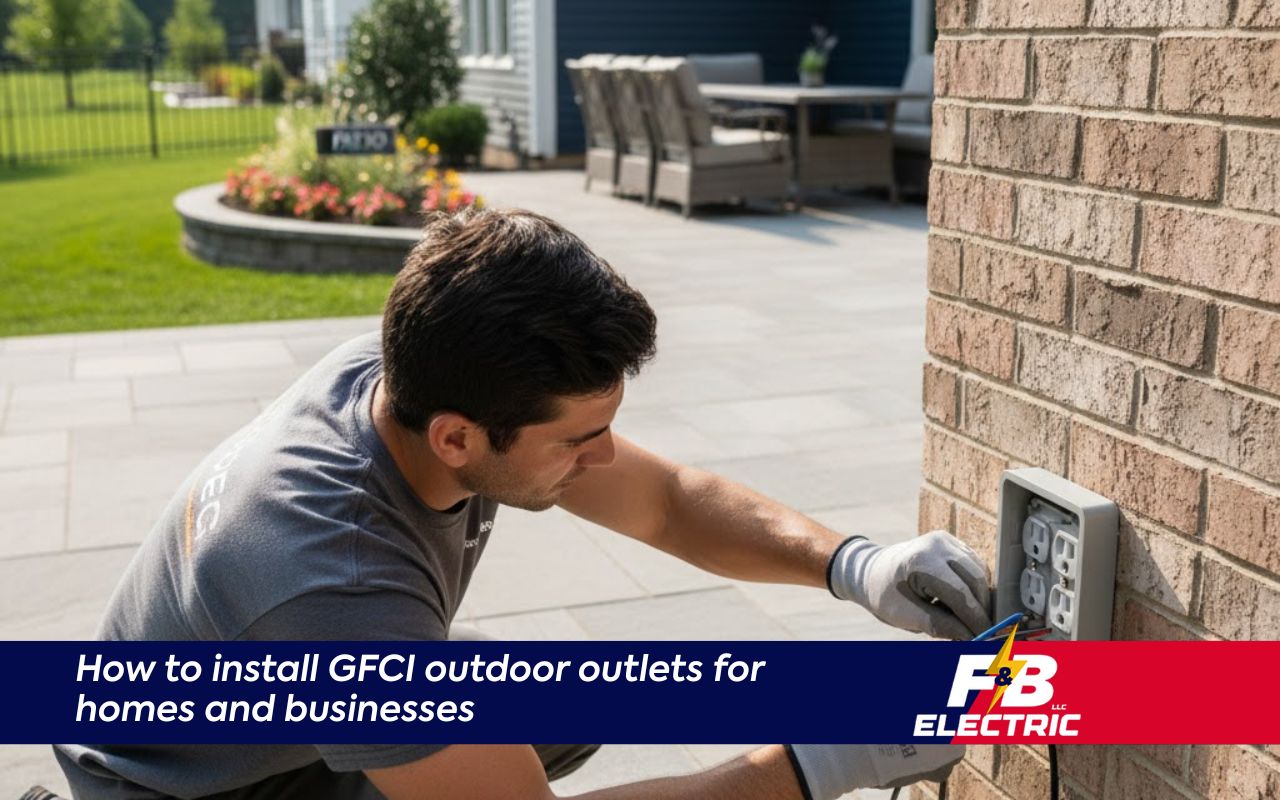
GFCI outdoor outlets installation Halethorpe is a smart way to make outdoor spaces safer and more useful. With the right plan, you can power tools, lights, and décor without adding extra risk.
If you are a homeowner who needs more power for garden tools, or a business owner planning a cozy patio, safe outdoor outlets matter. GFCI devices cut power quickly when they sense a problem, helping prevent electric shocks in wet areas.
In Halethorpe and nearby Maryland communities, GFCI outlets are not a luxury. They are a basic safety layer that protects people and property. They also help you meet local rules and keep your insurance and inspections in good shape.
The need for reliable outdoor power is clear, especially with sudden rain and snow. A regular outlet can become unsafe when it gets wet. This guide explains the steps, so you can choose safe parts and follow a simple plan for your project.
If you want more detail on indoor and outdoor protection, you can also read about installing GFCI outlets with a licensed electrician.
Understanding GFCI outlets
GFCI stands for Ground Fault Circuit Interrupter. This type of outlet watches the flow of electricity going out and coming back. If it sees a small change, it reacts in a split second and shuts off the power.
That change usually means electricity is going through water or through a person instead of returning through the wires. This fast reaction can stop serious shocks and even save lives, which makes GFCI outdoor outlets installation Halethorpe very important.
Unlike basic outlets, GFCI models have a small sensor and an internal switch. These parts check the current all the time and cut power when they detect trouble. Using weatherproof outdoor outlets MD helps protect the device from rain, snow, dust, and strong sun.
Outdoor outlets face harsher conditions than indoor ones. By adding GFCI protection to garden lighting, power tools, or a commercial patio outlet install, you reduce the chance of current leaks caused by water or damaged cords.
Safety regulations and codes in Halethorpe
Both local and national rules require GFCI protection on many outdoor circuits. The Halethorpe GFCI safety code follows the National Electrical Code and focuses on spaces where people can easily touch water and power at the same time.
In many cases, outlets in these areas must be GFCI protected:
- Outdoor patios and decks used for seating or cooking
- Outlets within six feet of sinks, hose bibs, or pools
- Garages, unfinished basements, and similar damp spaces
Before starting any GFCI outdoor outlets installation Halethorpe project, talk with local inspectors or your city office. They can tell you which permits you need and whether your job requires an official inspection.
If you ignore these rules, you may face fines or insurance problems after an accident. For business spaces, such as café patios or event areas, keep records of permits, inspection dates, and test results to show that your installation follows code.
Selecting the right outdoor GFCI electrical box
Choosing the right outdoor GFCI electrical box is key for long service life. Look for a box marked for wet locations, with a strong seal that keeps out water, dust, and insects. Boxes made from polycarbonate or stainless steel often handle weather very well.
A “while-in-use” cover is also useful. It lets you keep cords plugged in while the lid is closed, so rain cannot reach the outlet. Check the rating on the box and cover to be sure they are safe for outdoor and wet locations in Maryland.
Consider how and where you will mount the box. A flush-mounted box sits inside the wall for a clean look. A surface-mounted box rests on the wall and can work well when you do not want to cut siding.
For a busy patio or outdoor dining area, choose a larger box. It can hold extra wiring and conduit, making future upgrades simpler. Always confirm that the box works with your GFCI outlet and meets both NEC and local code rules.
Tools and materials needed for installation
Getting the right tools and supplies ready before you begin makes the project smoother and safer. Most basic outdoor installations use standard hand tools that many homeowners already own.
- Flat-head and Phillips screwdrivers
- Wire strippers and needle-nose pliers
- Voltage tester to confirm power is off
- Drill and masonry bits for brick, stone, or stucco
- Outdoor-rated cable or non-metallic conduit with ground wire
- Cable clamps, connectors, and exterior-grade screws
- Weatherproof sealant and a level for straight mounting
You will also need the outdoor GFCI electrical box and a GFCI outlet rated for outdoor use. For a larger commercial patio outlet install, add extra conduit, junction boxes, and loops of extra wire to keep bends gentle.
Do not forget safety gear. Wear safety glasses, insulated gloves, and use a sturdy ladder when working at height. If permits or fees are required, handle them before you cut, drill, or connect any wires.
Planning the installation process
Good planning makes your project faster and safer. When you plan GFCI outdoor outlets installation Halethorpe, start by choosing spots near areas you use often, such as grilling stations, seating areas, or gardening zones.
Try to avoid locations where cords will cross walkways or create trip hazards. Keep outlets away from overhead lines, sprinkler heads, and places where heavy equipment or vehicles may hit them. Mark the mounting spot and check for studs or pipes behind the wall.
- Mark the outlet location with a pencil outline
- Plan the cable route back to the main panel
- Limit sharp bends in conduit or cable runs
- Allow extra wire at the box for easy connections
Before you drill or cut, shut off the power at the main breaker and confirm with a voltage tester. Sketch a simple diagram of the circuit, including wire colors and any junction boxes. This drawing will help if you need repairs later.
Installing the GFCI outdoor outlet
Start by fastening the outdoor GFCI electrical box to the wall. For brick or stone walls, use masonry anchors. For wood siding, mount directly into studs or use exterior-rated anchors that hold firmly.
Feed the outdoor-rated cable through a clamp into the box, leaving at least six inches of wire inside. Remove the outer jacket and strip the ends of the hot, neutral, and ground wires. Match the colors carefully to avoid confusion later.
Connect the hot wire, usually black, to the brass screw. Connect the neutral, usually white, to the silver screw, and connect the bare or green ground wire to the green screw. Tighten each screw firmly so the wires do not move.
Gently fold the wires into the box, install the GFCI outlet, and secure it with the mounting screws. Run a thin bead of exterior sealant around the edges of the box and gasket. Install the cover plate and make sure the gasket sits flat for a tight seal that supports GFCI outdoor outlets installation Halethorpe standards.
Testing and ensuring proper functionality
Once the outlet is mounted and sealed, turn the power back on at the main breaker. Press the “Reset” button on the GFCI to prepare it for use. Plug in a simple device, such as a lamp or drill, and confirm that it turns on.
Next, press the “Test” button on the outlet. This simulates a fault in the circuit. The light or tool should shut off right away. Press “Reset” again to restore power. This quick test shows the GFCI is reacting the way it should.
For a larger commercial patio outlet install, repeat the test for every outlet and circuit. Use a plug-in tester to confirm correct wiring and a solid ground. If the outlet does not trip or will not reset, turn off the power and check each connection.
Integrating GFCI outlets stylishly and conveniently
Safe outlets do not have to stand out. Choose box and cover colors that match your siding, trim, or brick. Shades of gray, black, or white often blend well with many home and business exteriors.
Install outlets where they are easy to reach but not the main focus of the space. Under railings, near deck posts, or beside seating benches are often good choices. You can also use low-profile covers to keep the look neat and clean.
On commercial patios, think about customer comfort. Place outlets near tables, bar areas, or stages for heaters, lights, or music equipment. Angle covers so rainwater runs away from plugs and cords, not toward them.
Maintenance tips for long-term safety
Routine care helps your outlets stay safe and reliable. Outdoor equipment is exposed to sun, rain, and dirt, so it needs more attention than indoor outlets. A quick visual inspection every few months can catch early signs of trouble.
- Clean covers with a soft cloth to remove dirt
- Look for cracks, rust, or loose screws
- Check the seal between the box and wall
- Reapply sealant if you see gaps after storms
Test the GFCI at least once a month by pressing the “Test” and “Reset” buttons. Replace damaged covers, worn gaskets, or outlets that trip often without clear reason. For older properties, consider upgrading electrical outlets to modern, safer GFCI models.
For commercial sites, keep a simple log of tests and repairs. This record helps you spot patterns, such as frequent trips after heavy rain, so you can fix the root cause before it becomes a serious hazard.
Frequently Asked Questions
Do I need a permit for GFCI outdoor outlets in Halethorpe?
Many outdoor wiring projects do require a permit, especially when you add new circuits or outlets. Check with your local building office or a licensed electrician before you start work.
Can I install a GFCI outlet outside by myself?
Homeowners with basic electrical knowledge can sometimes handle simple replacements. For new wiring, complex layouts, or business properties, hiring a licensed electrician is the safer and easier choice.
How often should I test my outdoor GFCI outlets?
Most experts suggest testing GFCI outlets once a month. Use the “Test” and “Reset” buttons on the outlet and confirm that power turns off and back on as expected.
What happens if my GFCI outlet keeps tripping?
Frequent tripping can mean moisture, damaged cords, or a wiring problem. Unplug all devices and test again. If it still trips, turn off power and call a qualified electrician to inspect the circuit.
How can I schedule professional GFCI outdoor work?
You can contact F&B Electric to request an inspection, quote, or full installation. A licensed electrician will review your needs and recommend safe, code-compliant options.
Enhancing outdoor safety and functionality
Installing weather-resistant GFCI outlets is one of the best ways to boost safety and comfort in outdoor spaces. By planning your GFCI outdoor outlets installation Halethorpe with care, you create a strong and flexible power setup for daily use.
Following the right codes, choosing proper materials, and testing regularly all work together to protect people and property. Whether you are powering weekend DIY projects or a busy commercial patio, a well-planned outdoor system brings peace of mind and lasting value.